Exploring the World of Digital Sporting Goods Market
The online sporting goods marketplace has revolutionized the way people buy and sell sports equipment. In this digital age, it offers a convenient and efficient alternative to traditional brick – and – mortar stores. This article will delve into various aspects of this growing marketplace.
Market Overview
The online sporting goods marketplace has witnessed exponential growth in recent years. With the increasing penetration of the internet and the growing popularity of sports, more and more consumers are turning to online platforms to purchase their sporting gear. According to market research firms, the global online sporting goods market is expected to continue expanding at a significant rate. https://sports.dhgate.com/
One of the key factors driving this growth is the convenience it offers. Consumers can browse through a vast range of products from the comfort of their homes, compare prices across different sellers, and read reviews from other buyers. For example, a runner can easily find the latest running shoes, compare the features of different brands, and make an informed decision without having to visit multiple stores.
Another factor is the wider availability of products. Online marketplaces can source goods from all over the world, giving consumers access to products that may not be available in their local stores. For instance, a fan of a particular international soccer team can easily find officially licensed merchandise on an online platform, even if it’s not sold in their country.
Major Players in the Market
There are several well – known players in the online sporting goods marketplace. One of the giants is Amazon. With its massive customer base and extensive logistics network, Amazon offers a wide variety of sporting goods, from fitness equipment to outdoor gear. It provides a platform for both large – scale manufacturers and small independent sellers to reach consumers. For example, a small yoga mat manufacturer can list their products on Amazon and gain exposure to millions of potential customers.
Another significant player is eBay. eBay is a marketplace known for its auction – style and fixed – price sales. It allows individuals and businesses to sell new and used sporting goods. A cyclist, for example, can sell their old bike on eBay and find a new owner, while a collector can search for rare vintage sporting memorabilia.
There are also specialized online sporting goods stores, such as Decathlon’s online platform. Decathlon focuses on providing high – quality sporting goods at affordable prices. It has its own in – house brands and offers a comprehensive range of products for different sports, including swimming, tennis, and skiing. Their online store provides detailed product information and customer support, making it a popular choice among sports enthusiasts.
Product Categories and Trends
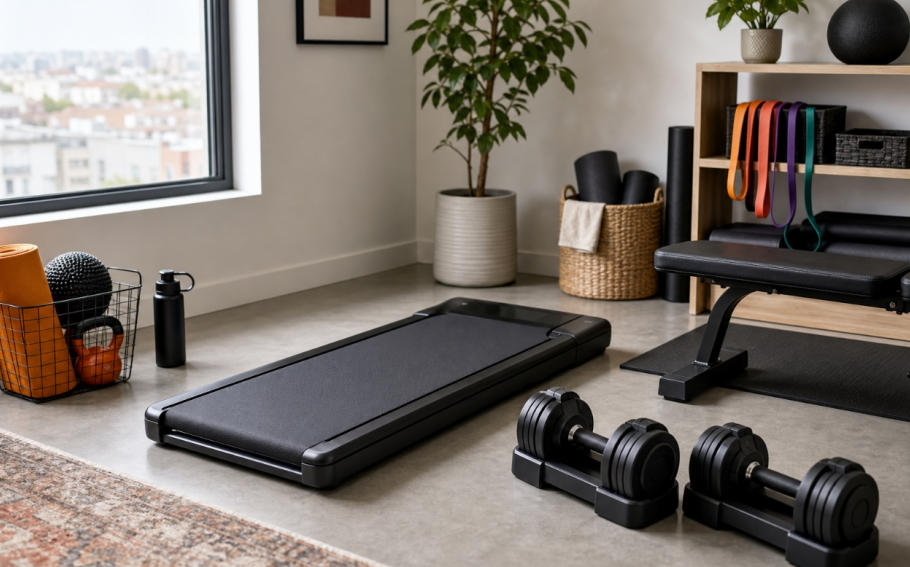
The online sporting goods marketplace offers a diverse range of product categories. Fitness equipment is one of the most popular categories. With the increasing focus on health and wellness, products like treadmills, dumbbells, and yoga mats are in high demand. For example, during the COVID – 19 pandemic, the sales of home fitness equipment skyrocketed as people were unable to go to gyms. Many consumers turned to online marketplaces to purchase equipment for home workouts.
Outdoor sports gear is also a significant category. This includes items like camping tents, hiking boots, and fishing rods. As more people are interested in outdoor activities and exploring nature, the demand for high – quality outdoor gear has increased. Brands are continuously innovating to provide more lightweight, durable, and functional products. For instance, new camping tents are being designed with better ventilation and easier setup features.
Team sports equipment is another major category. Items such as soccer balls, basketballs, and baseball bats are essential for team sports. With the popularity of youth sports and amateur leagues, the demand for these products remains steady. Moreover, there is a growing trend towards personalized team sports gear, with teams and players looking for customized jerseys and equipment.
In addition, sports fashion and apparel are an important part of the marketplace. Sports shoes, activewear, and sports accessories are constantly evolving in terms of design and technology. Brands are using advanced materials to make clothing more breathable, moisture – wicking, and comfortable. For example, Nike’s running shoes are known for their innovative cushioning technology, which provides better support and performance for runners.
Challenges in the Online Sporting Goods Marketplace
One of the main challenges is product authenticity. With the large number of sellers on online platforms, there is a risk of counterfeit products. For example, fake sports shoes may not provide the same level of quality and performance as genuine ones. Consumers need to be vigilant and check the seller’s reputation, product reviews, and return policies. Online marketplaces also need to implement strict quality control measures to ensure that the products sold are genuine.
Shipping and logistics can also be a challenge. Sporting goods can be bulky and heavy, which makes shipping more expensive and time – consuming. Delays in shipping can lead to customer dissatisfaction. For instance, if a customer orders a new tennis racket for an upcoming tournament and it arrives late, they may be disappointed. Online marketplaces need to work with reliable shipping partners and optimize their logistics processes to ensure timely delivery.
Competition among sellers is intense. With so many options available to consumers, it can be difficult for sellers to stand out. They need to offer competitive prices, high – quality products, and excellent customer service. For example, a small seller of handmade sports gloves may struggle to compete with large – scale manufacturers in terms of price. However, they can differentiate themselves by highlighting the unique craftsmanship and quality of their products.
Another challenge is the return and refund policy. Customers may be dissatisfied with a product for various reasons, such as incorrect sizing or a defect. Handling returns and providing refunds in a timely and fair manner is crucial for maintaining customer satisfaction. Online marketplaces need to have clear and easy – to – understand return policies to avoid disputes between sellers and buyers.
Future Prospects of the Online Sporting Goods Marketplace
The future of the online sporting goods marketplace looks promising. Technological advancements will continue to drive innovation in the industry. For example, virtual reality (VR) and augmented reality (AR) technologies can be used to enhance the shopping experience. Consumers can use VR to try on sports shoes virtually or use AR to visualize how a piece of fitness equipment will look in their home.
Mobile commerce is also expected to play a more significant role. With the increasing use of smartphones, more consumers are shopping on their mobile devices. Online marketplaces need to optimize their websites and apps for mobile use to provide a seamless shopping experience. For example, a consumer can easily browse and purchase a new set of golf clubs while on the go using their smartphone.
There will also be a growing trend towards sustainable sporting goods. Consumers are becoming more environmentally conscious and are looking for products that are made from sustainable materials and have a low carbon footprint. Online marketplaces can play a role in promoting and selling these sustainable products. For instance, a seller can offer eco – friendly yoga mats made from recycled materials.
Furthermore, as the global sports industry continues to grow, the demand for online sporting goods will also increase. The expansion of sports in emerging markets, such as Asia and Africa, will provide new opportunities for online marketplaces. More consumers in these regions will have access to the internet and will be interested in purchasing sporting goods online.